
Preparing for a Diabetic Eye Exam in Providence: Health Updates and Vision Questions to Share
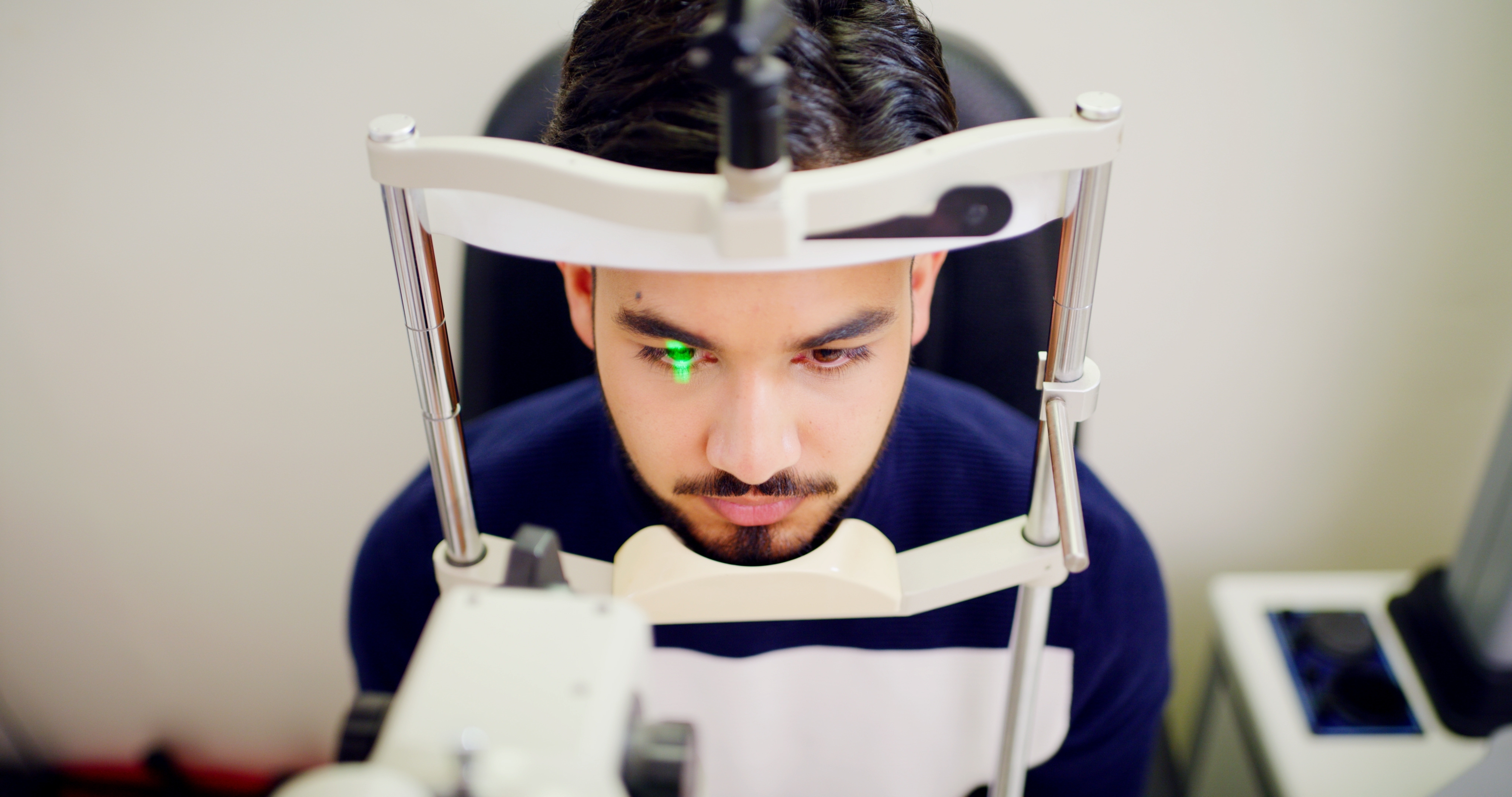
If you have diabetes, preparing for an eye exam involves more than bringing your glasses. Diabetes can affect the tiny blood vessels in your retina, sometimes before you notice any changes in your vision. At DeCesare Eye Associates in Providence, we encourage patients to share recent health updates and vision concerns so we can better assess their eye health and discuss appropriate follow-up care.
Share Changes in Your Overall Health
Your diabetic eye exam is an opportunity to connect your eye health with your overall diabetes care. Let us know when you were diagnosed and whether you have type 1 or type 2 diabetes. If you know your latest A1C result or have noticed significant changes in blood sugar levels, bring that information too.
Updates about blood pressure, cholesterol, kidney health, or a recent hospitalization may also be relevant. Tell us about any new diagnoses, changes in medications, or treatment adjustments made by your regular healthcare provider. You do not need to change your medications before an eye exam unless your prescribing clinician instructs you to do so.
What to Bring to Your Appointment
A little preparation can make your visit more productive. Before coming to our Providence office, consider gathering:
- A current list of medications, including insulin, other diabetes treatments, and supplements
- Your most recent A1C result, if available, and any important blood pressure updates
- Your glasses or contact lenses and a copy of your current prescription, if you have one
- Details of previous eye exams, retinal treatments, or recommendations from other specialists
- A short list of vision changes or questions you want to discuss
If you use eye drops, bring their names or packaging so we know what you are using.
Discuss Vision Changes, Even If They Come and Go
You may feel that your eyesight is fine, but diabetic eye disease can develop without obvious early symptoms. During your exam, tell us about blurry or fluctuating vision, difficulty reading, changes in night vision, or spots in your field of view.
Consider asking whether any retinal changes are visible, how diabetes could affect your eyesight over time, and when you should return for another examination. If you notice sudden vision loss, new flashes or a sudden increase in floaters, or a dark curtain across your vision, seek urgent eye care rather than waiting for a scheduled appointment.
Know What to Expect During the Exam
A diabetic eye exam may include vision testing, a close examination of the retina, and retinal imaging. We may use dilating drops to help examine the back of your eyes more thoroughly. Dilation can temporarily blur your near vision and increase light sensitivity, so consider bringing sunglasses and arranging transportation if needed.
The purpose of these evaluations is to look for signs of diabetic retinopathy and other eye concerns, even when your vision seems unchanged.
Ask About Your Results and Follow-Up Plan
Before leaving, ask what your exam showed, whether additional testing or specialist care is recommended, and how often your eyes should be checked. We can also discuss whether findings should be shared with the healthcare professional managing your diabetes. Follow-up timing depends on your eye health and medical history.
Take an active role in protecting your vision by scheduling a diabetic eye exam with DeCesare Eye Associates in Providence, RI. Call (401) 331-4475 to book your appointment today.
Quick Links
Helpful Articles
article_category: restorative
article_category: vision therapy
article_category: contact lenses
article_category: health
article_category: conditions
article_category: eye surgery co-management
article_category: exotic
article_category: cosmetic
article_category: products
article_category: psychiatry
article_category: faqs
article_category: cats
article_category: general
article_category: services
article_category: technology
article_category: dogs
article_category: surgical procedures
article_category: aesthetics
article_category: preventative
article_category: ocular disease management
article_category: eyeglasses
article_category: eye health
article_category: large animal
[]
Flowbite is an open-source library of interactive components built on top of Tailwind CSS including buttons, dropdowns, modals, navbars, and more.
Check out this guide to learn how to get started and start developing websites even faster with components on top of Tailwind CSS.
All Eye Care Services
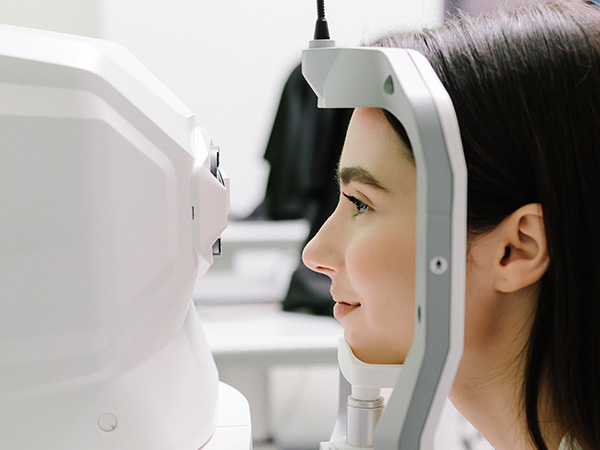
Find personalized eye care excellence with our comprehensive services. From eye exams to advanced diagnostics, trust us for all your vision needs.

Keep In Touch
For non-urgent questions or to learn more about our services, contact us today!
Quick Links
Contact Info
Hours of Operation
- Monday 9:00am - 5:00pm
- Tuesday 9:00am - 5:00pm
- Wednesday Closed
- Thursday 9:00am - 5:00pm
- Friday 9:00am - 5:00pm
- Saturday By Appointment Only
- Sunday Closed
- Monday
- Tuesday
- Wednesday
- Thursday
- Friday
- Saturday
- Sunday
- Monday
- Tuesday
- Wednesday
- Thursday
- Friday
- Saturday
- Sunday
© 2025 DeCesare Eye Associates. All rights Reserved -
Accessibility Statement
-
Privacy Policy
-
Sitemap
Managed and Designed by 